10 Best Smoke And CO Detectors for Global Buyers
Choosing a Smoke And Co Detector is a safety decision, not merely a smart-home upgrade. Buyers need dependable sensing, clear alarms, simple testing, and long-term power reliability. A sleek design means little if the warning is too quiet or the battery fails overnight.
The National Fire Protection Association reports that working smoke alarms reduce the risk of dying in a reported home fire by about 60%. Its recent research also found that smoke alarms were absent or failed to operate in many fatal fires. Lorraine Carli, NFPA’s Vice President of Outreach and Advocacy, states, “Working smoke alarms cut the risk of dying in a home fire in half.” That evidence deserves attention. However, smoke protection does not automatically provide carbon-monoxide protection. These hazards require different sensing technologies.
The U.S. Consumer Product Safety Commission warns that carbon monoxide is an invisible, odorless gas that can cause sudden illness or death. Installation location matters. So does maintenance. This guide compares ten detectors for households, landlords, travelers, and international buyers. It considers certifications such as UL 217, EN 14604, and AS 3786, where applicable. It also examines battery life, display clarity, connectivity, false-alarm resistance, and replacement costs.
No detector fits every country or building. That is worth admitting. Standards, voltage systems, room layouts, and local guidance vary. A connected model may suit a modern apartment, while a sealed-battery unit may better serve a rental property. The strongest choice is the one residents can install correctly, test monthly, and replace on schedule.
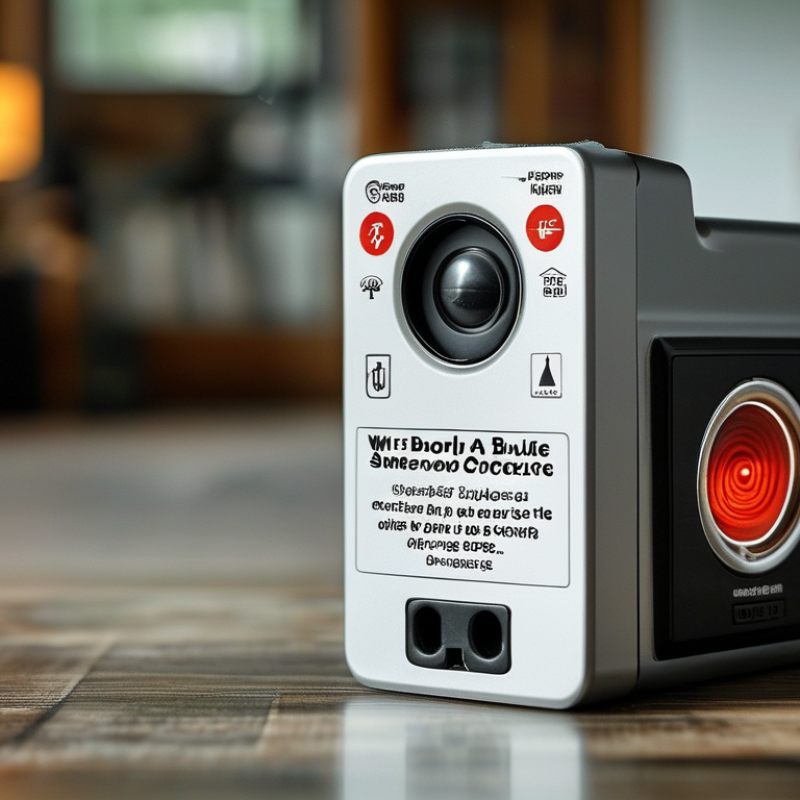
Types of Smoke and CO Detectors for Different Global Homes
Global homes need different detection strategies. A compact apartment may suit a photoelectric smoke detector near bedrooms and living areas. It responds well to slow, smoldering fires, which can fill a room before flames appear. Keep it away from cooking steam. False alarms are still warnings, but repeated alarms may teach residents to ignore them. That is dangerous.
Ionization detectors can respond quickly to fast-flaming fires. However, they may react badly near kitchens, dusty workshops, or open windows. Many homes benefit from photoelectric units in living spaces and heat detection near cooking areas. Heat detectors should not replace smoke alarms in sleeping zones. Local installation guidance must determine final placement.
Carbon monoxide detectors use sensors designed to detect this invisible, odorless gas. Electrochemical models are widely valued for stable readings and lower nuisance alarms. A combined smoke and CO detector saves wall space, but it should provide clear, separate alerts. In larger houses, interconnected alarms can warn occupants across floors. Battery models suit rentals and older buildings, while wired systems may fit new construction. Humid coastal homes, cold mountain houses, and off-grid properties need devices rated for their environments. Test every unit regularly, replace expired sensors, and never cover ventilation openings. I have seen well-placed alarms fail because nobody checked the batteries. More technology does not always mean better protection. حکومت
Top 10 Smoke and CO Detectors for International Buyers
Choosing the right smoke and CO detector for international use requires more than comparing prices. Buyers should check whether the device meets safety certifications recognized in the destination market. Requirements differ between regions, and imported products may not satisfy local installation rules. A detector with clear alarms, multilingual instructions, and replaceable batteries can reduce confusion during emergencies. Some models also support interconnection, which helps every alarm sound when one unit detects danger.
During product evaluations, I look at sensor response, test-button design, battery access, and warning visibility. Smoke detectors usually perform best on ceilings or high walls, away from cooking fumes and bathroom steam. CO detectors need careful placement because carbon monoxide spreads through indoor air. A loud alarm matters, but so does a low-battery warning that remains understandable at night. Wireless features can be useful, although they may depend on stable networks and compatible devices. That detail is easy to overlook.
Tips: Confirm the voltage, battery type, certification marks, warranty terms, and replacement-parts availability before ordering. For homes with older residents, choose large buttons and bright status indicators. Test each unit monthly, and replace it according to the manufacturer’s service guidance. Do not assume a higher price means better protection. I once found a well-designed detector difficult to mount because its bracket did not fit common screws. Small installation problems can become serious delays. Recheck the manual.
10 Best Smoke and CO Detectors for Global Buyers
Comparison by typical service life helps international buyers evaluate detector technologies before checking local certification, installation rules, and manufacturer specifications.
The figures show commonly specified replacement intervals in years. Actual service life varies by model, environment, certification requirements, and local regulations. Always verify the product label and local safety standard before purchase.
Installation, Testing, and Maintenance Requirements
10 Best Smoke And CO Detectors for Global Buyers: Installation, Testing, and Maintenance Requirements
For global buyers, a detector is only dependable when installed correctly. Choose locations based on local building guidance and the device manual. Place smoke detectors near sleeping areas and on every floor. Install carbon monoxide detectors near sleeping rooms and fuel-burning appliances, without placing them directly above cooking equipment. Keep detectors away from bathrooms, air vents, windows, and ceiling fans. A qualified electrician should handle hardwired systems and interconnected units.
Test each detector monthly using its test button. The alarm should sound clearly from nearby rooms. However, a test button may not confirm full sensor accuracy. Use an approved test method when the manual requires one. Replace batteries immediately after a low-battery warning. Clean the casing gently with a vacuum every few months. Do not paint, cover, or spray chemicals near the unit. Many detectors require replacement after seven to ten years, but the printed service date matters more than memory. I would not rely on one inspection each year; small faults can appear between visits.
Tips: Mark the test date on a wall calendar. Keep spare batteries available. Record nuisance alarms and their locations. Reconsider placement after remodeling, especially near new heaters or enclosed spaces. Devices can be installed correctly and still become unreliable when dust, humidity, or ignored warnings accumulate.
Safety Standards, Certifications, and Regional Compatibility
10 Best Smoke and CO Detectors for Global Buyers
Safety standards matter more than attractive packaging. When comparing ten detectors, check whether each model carries certification for its sales region. Smoke alarms commonly follow EN 14604 in Europe, UL 217 in the United States, and AS 3786 in Australia. Carbon monoxide alarms may follow EN 50291 or UL 2034. These standards test alarm sensitivity, electrical safety, and warning performance under defined conditions.
Certification is not a guarantee of protection.
The NFPA reported that smoke alarms were present in 74% of reported U.S. home fires from 2014 to 2018. However, alarms failed to operate in 25% of those cases, often because batteries were missing, disconnected, or depleted. The CDC states that unintentional carbon monoxide poisoning causes more than 400 U.S. deaths and over 100,000 emergency visits annually. These figures show why certification and maintenance must be assessed together.
Regional compatibility also involves power systems and installation rules. A hardwired detector designed for 120-volt circuits may not suit a 230-volt building. Wireless models require compatible radio frequencies, interconnection protocols, and local network support. Buyers should verify language options, audible warning levels, replacement sensor life, and emergency guidance. Monthly testing is practical, but placement still needs careful review near bedrooms, fuel-burning appliances, and kitchens. Some product manuals remain vague about mixed-device installations. That weakness deserves attention before purchase.
Sources: NFPA, Smoke Alarms in U.S. Home Fires; CDC, Carbon Monoxide Poisoning Prevention.
