
How to Choose the Best LED Screen for Your Business Needs?

When selecting an LED Screen for your business needs, it’s essential to consider various factors. LED screens are versatile tools that can enhance marketing and communication efforts. They are increasingly popular due to their brightness and energy efficiency. However, not all LED screens are created equal.

The right screen can drive customer engagement and boost sales. Yet, the wrong choice can lead to wasted resources and confusion. Businesses must assess their specific needs. This includes size, resolution, and location of the installation. Understanding these factors will ensure that you choose a reliable product.

Remember, quality matters. An LED screen that offers excellent performance may cost more upfront. However, it can pay off over time. Balancing cost and quality is crucial. Be prepared to explore your options thoroughly. Make informed decisions to avoid pitfalls. Choosing the best LED screen can be a complex task, but understanding your needs will lead to success.
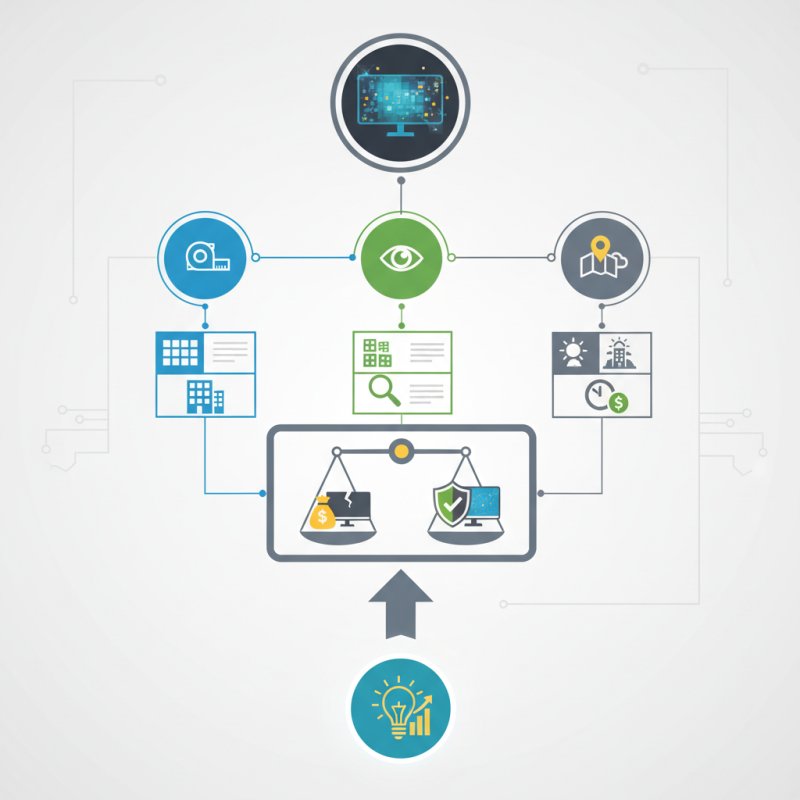
How to Choose the Best LED Screen for Your Business Needs?

Key Considerations for Selecting an LED Screen for Your Business

When selecting an LED screen for your business, several key considerations come into play. Begin with the screen's resolution. High-resolution displays offer sharper images and better clarity. This is especially important if your content includes text or intricate visuals. Evaluate the screen size based on your space and viewing distance. A screen too small may not deliver an impact, while a large screen in a small area can overwhelm.

Also, take brightness into account. The ideal brightness depends on ambient light conditions. For outdoor installations, opt for screens with higher brightness. Indoor spaces can utilize screens with lower brightness levels. Keep in mind the maintenance needs as well. Some LED screens can be demanding, requiring regular upkeep to ensure optimal performance.

Tips: Check the viewing angles. A wider viewing angle allows more people to see the content clearly. Consider installation options, too, such as wall-mounted or freestanding screens. Reflect on your budget; sometimes, spending a bit more upfront can enhance durability and reduce long-term costs.

LED Screen Selection Criteria for Businesses

This chart illustrates key specifications to consider when selecting an LED screen for your business needs, including brightness (nits), resolution, durability, cost, and energy consumption. Analyzing these factors helps ensure you choose the most suitable screen for your operational requirements.

Types of LED Screens and Their Applications in Various Industries

When choosing an LED screen, it’s crucial to understand the various types available. Indoor LED screens are ideal for retail environments. They provide high brightness and vibrant colors, attracting customers’ attention. Outdoor LED screens, however, are designed to withstand the elements. These screens are typically brighter to ensure visibility in sunlight.

Then, there are transparent LED screens. They offer a unique aesthetic by allowing visibility behind the display. This feature is popular in storefronts, as it creates an engaging experience without blocking the view. Curved LED screens are also gaining traction. They provide an immersive experience, commonly used in cinemas and arenas.

Tips: Always assess where the screen will be used. Outdoor screens should have higher durability. Don’t overlook maintenance needs. A screen that requires frequent servicing can become a burden. It’s essential to evaluate your audience too. Consider their preferences when selecting screen features.

How to Choose the Best LED Screen for Your Business Needs?

Type of LED Screen Application Ideal Industry Key Features
Indoor LED Screen Business presentations, advertising Retail, Corporate High-resolution display, vibrant colors
Outdoor LED Screen Billboards, public displays Advertising, Events Waterproof, high brightness
Transparent LED Screen Retail displays, creative advertising Retail, Museums Translucent design, space-saving
Video Wall Large-scale presentations, events Entertainment, Corporate Seamless display, customizable sizes
Curved LED Screen Immersive experiences, exhibitions Entertainment, Automotive Innovative shape, viewer engagement

Evaluating Resolution and Brightness for Optimal Visibility

When choosing an LED screen for your business, resolution and brightness are key factors. Studies show that screens with higher resolution provide sharper images. Data from industry reports indicate that a 1080p resolution is ideal for standard indoor usage. However, outdoor settings often require 4K resolution due to greater viewing distances and varied lighting conditions.

Brightness is equally important. For indoor environments, a minimum of 300 nits may suffice. In contrast, outdoor displays demand at least 1,000 nits for clear visibility under direct sunlight. Research indicates that viewers lose perception of detail in ambient light conditions below these levels. It's essential to evaluate the specific needs of your business when determining the appropriate brightness level.

In practice, some businesses overlook these aspects, leading to insufficient visibility. It can be tempting to prioritize cost over quality. However, investing in a screen that meets both resolution and brightness standards can greatly enhance customer engagement and brand presence. Regular assessments of your screen's performance can also help identify whether it continues to meet your needs effectively.

Analyzing Size and Configuration Based on Your Space and Audience

When choosing an LED screen for your business, size and configuration are paramount. These elements greatly influence visibility and engagement. A 2022 industry report revealed that over 75% of consumers make decisions based on visual quality. This means a well-sized screen directly affects customer interest.

Consider your space. A larger screen may seem appealing, yet it could overwhelm a small area. Conversely, a small screen in a vast space can lead to a lack of impact. For instance, a retail environment benefits from screens that are at least 1/10th the distance from the viewer. This distance typically falls within 10-20 feet. Smaller screens may lose effectiveness beyond this range.

Audience plays a critical role in determining configuration. Displays should align with the crowd size and viewing angles. Research indicates that nearly 40% of viewers disengage if they can’t see content clearly. A flexible setup allows for adjustments based on different events. Flexible mounting solutions can facilitate this. However, not all venues permit structural changes, which limits options. Considering these factors can help avoid costly mistakes in projection and audience appeal.

Budgeting for LED Screen Purchase and Maintenance Costs

When budgeting for an LED screen, consider both purchase and maintenance costs. The initial expense is only one part of the equation. Screens can range from a few hundred to thousands of dollars. The size, resolution, and type matter greatly. A high-resolution screen may look appealing, but can cost significantly more. Ensure that your budget aligns with your business's visual and functional needs.

Maintenance costs are often overlooked. Regular upkeep is crucial for optimal performance. This includes cleaning the screen and checking connections. Any technical issues can lead to increased costs if not addressed promptly. Allocate a portion of your budget for potential repairs and routine maintenance. It’s wise to set aside funds for unexpected expenses.

Investing in training for staff can also save money in the long run. This helps in proper handling and usage of the LED screen. Knowledge reduces the risk of damage and increases the lifespan of your investment. Reflect on all these aspects before making a decision. A well-planned budget will ensure that your LED screen serves your business effectively over time.

dLED: retail LED lighting
Privacy Overview

This website uses cookies so that we can provide you with the best user experience possible. Cookie information is stored in your browser and performs functions such as recognising you when you return to our website and helping our team to understand which sections of the website you find most interesting and useful.