
Selecting the right Medium Voltage Switchgear is crucial for modern electrical systems. According to a recent market research report by MarketsandMarkets, the global medium voltage switchgear market is projected to reach $50 billion by 2026. This growth emphasizes the importance of choosing reliable switchgear that meets both safety and functionality requirements.
Industry expert Dr. Emily Carter states, “Investing in high-quality Medium Voltage Switchgear is essential for minimizing downtime and ensuring operational efficiency.” This highlights how critical it is to select equipment that matches your specific needs. The right choice can enhance system resiliency and improve overall performance.
However, many organizations still overlook key factors when making their selection. They often focus too much on cost rather than reliability or technology. It's important to reflect on your operational demands and future growth. Assessing the long-term impacts of your switchgear can save time and resources down the line.
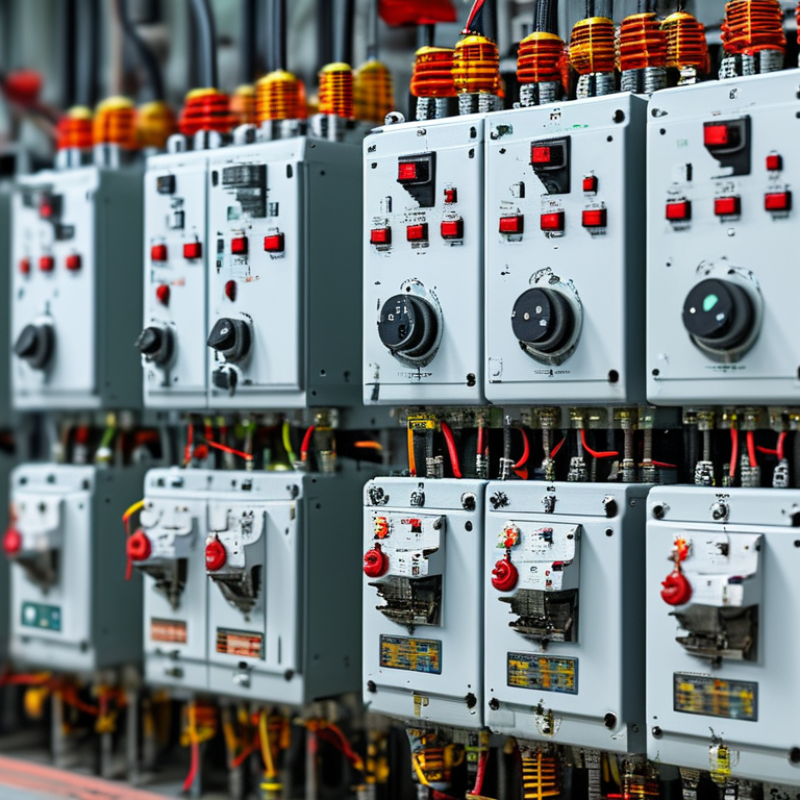
Medium voltage switchgear is essential in various industrial applications. It operates typically between 1 kV and 38 kV. This equipment helps manage and distribute electrical power safely and efficiently. It can be found in manufacturing plants, power generation facilities, and utility companies.
Understanding medium voltage switchgear requires knowledge of its components and functions. Key elements include circuit breakers, transformers, and busbars. Each part plays a vital role in controlling power flow. Proper ventilation and cooling are necessary for optimal performance. Oversizing or undersizing switchgear can lead to inefficiencies.
Applications vary widely. In some scenarios, switchgear protects equipment from overloads. In others, it isolates faults in electrical systems. Regular maintenance is crucial to ensure reliability. Identifying the right switchgear involves analyzing electrical load, environmental conditions, and safety standards. Each project may have unique requirements. Therefore, reflecting on these specifics is necessary for making informed decisions.
Selecting the right medium voltage switchgear is crucial for efficiency and safety. Begin by assessing your power requirements. Analyze the voltage level and the load demand specific to your facility. It’s important to ensure the switchgear can handle peak loads without overheating or failure.
Next, consider environmental conditions. Some switchgear is better suited for outdoor use, while others are designed for indoor settings. Evaluate factors such as humidity, temperature, and potential exposure to corrosive elements. Choosing the wrong environment for your switchgear can lead to premature wear or operational issues.
Don't overlook the importance of safety features. Integrated protection mechanisms are vital to prevent electrical hazards. Advanced switchgear may offer features like automatic shutoff or remote monitoring. However, ensure that these features align with your operational needs. Finding a balance between advanced technology and practicality can sometimes be challenging. It's essential to reflect on whether the added complexity serves your specific goals effectively.
Medium voltage switchgear plays a vital role in electric power distribution. Understanding the types and their characteristics is essential for making the right choice. Notably, there are three primary types of medium voltage switchgear: air-insulated, gas-insulated, and hybrid switchgear. Each type offers distinct advantages based on the application.
When selecting medium voltage switchgear, understanding safety and compliance standards is crucial. These standards ensure the equipment meets necessary safety regulations and performs optimally. Carefully evaluate local regulations and industry standards relevant to your project. This approach helps protect personnel and equipment from potential hazards.
Tips: Always verify the certifications of switchgear components. They should comply with national and international safety codes. Consider consulting with an expert during the selection process. Engaging a professional can provide insights that may otherwise be overlooked.
It's important to assess the equipment's design. Poor design can compromise safety. Look for features like arc flash protection and overload capacity. These can significantly enhance safety performance. You might find that certain designs, while compliant, do not address all safety concerns. A continuous review of new guidelines and best practices in the industry can aid in refining your decisions.
| Parameter | Description | Importance | Compliance Standards |
|---|---|---|---|
| Voltage Rating | The maximum voltage at which the switchgear can operate. | Critical for system compatibility and safety. | IEC 62271 |
| Short Circuit Rating | The maximum short circuit current the switchgear can withstand. | Essential for ensuring protection during fault conditions. | IEEE C37.20.1 |
| Protection Systems | Types of relay and protection schemes implemented. | Vital for operational safety and system integrity. | IEC 60255 |
| Physical Dimensions | Overall size and weight of the switchgear. | Affects installation and space requirements. | N/A |
| Environmental Ratings | Rated for outdoor/indoor use and protection against environmental factors. | Ensures reliability and longevity of the equipment. | IP Ratings, IEC 60529 |
| Maintenance Requirements | Frequency and type of required maintenance. | Impacts operational downtime and costs. | N/A |
When considering maintenance for medium voltage switchgear, regular inspections are crucial. These inspections can identify wear and tear before major failures occur. It's essential to develop a routine maintenance schedule. Trained technicians can perform these checks effectively, ensuring safety and reliability.
Tips: Implement a visual inspection checklist. This helps to catch small issues early. Documenting findings can improve future maintenance efforts too.
Lifecycle management also plays a significant role. Understanding when components are nearing the end of their usable life can prevent unexpected shutdowns. Planning for upgrades or replacements ahead of time minimizes disruption. Keep in mind that operating conditions can vary. High humidity or temperature extremes can affect switchgear longevity.
Tips: Utilize predictive maintenance tools. They provide data on equipment health. This proactive approach is often more cost-effective in the long run. Consider engaging with industry experts for best practices tailored to your situation. Reflection on past decisions can also guide future planning.
