
Choosing the right DC-DC charger is crucial for efficient power management. According to a recent report by TechNavio, the global DC-DC converter market is expected to grow at a CAGR of 5.27%. This underscores the increasing demand for effective power solutions in various sectors, from electric vehicles to renewable energy systems.
Industry expert Dr. Sarah Jensen emphasizes, "Selecting the appropriate DC-DC charger can enhance performance and longevity of your power systems." Her insights reflect the importance of informed decisions in a rapidly evolving market. A mismatch in charger specifications can lead to suboptimal performance or even damage.
The nuances of DC-DC chargers often go unnoticed. Many users overlook factors such as voltage range, efficiency, and load requirements. These elements are vital for optimal operation, yet they are frequently underestimated. Understanding these details can make a significant difference in performance and reliability.
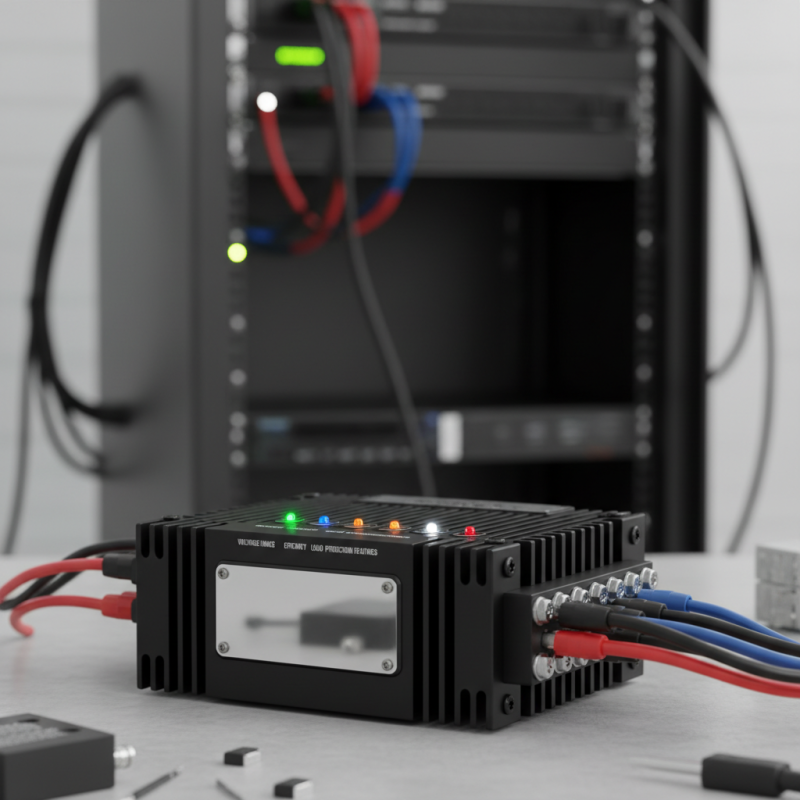
Understanding the importance of a DC-DC charger in your system is crucial for efficiency and reliability. These devices convert voltage from one level to another, ensuring that all components receive the correct power supply. According to industry reports, improper power management can lead to a 20% decrease in efficiency. This could result in overcharging or undercharging batteries, compromising their lifespan.
In many applications, ranging from renewable energy systems to automotive setups, a trusted DC-DC charger stabilizes voltage levels. Studies show that systems without a dedicated charger face an increased risk of failure. As components rely on varying voltages, a mismatch can cause overheating or even damage. Experts emphasize that understanding load requirements is key; designers should know the acceptable input and output voltages in their systems to avoid common pitfalls.
Choosing a DC-DC charger involves careful consideration. It’s essential to assess the maximum load and durability requirements. Reports suggest that a significant number of users overlook these factors, leading to system inefficiencies. Accurate specifications will not only enhance performance but also extend the lifespan of your components. A systematic approach to selection can prevent costly maintenance issues down the line.
When selecting a DC-DC charger, several key factors demand your attention. First, consider the efficiency rating of the charger. According to industry reports, chargers with an efficiency above 90% can significantly reduce energy loss during operation. This efficiency directly translates to lower energy costs and better performance for your applications.
Next, assess the input and output voltage range. It is crucial that the charger supports the specific voltage levels needed for your devices. Many experts recommend choosing a charger with a wider voltage range. This flexibility accommodates various devices without compromising performance. Additionally, consider the current rating, as it determines how quickly your devices will charge. A charger offering higher current ratings can often charge multiple devices faster.
Durability and thermal management are also vital. Research indicates that chargers with robust thermal management systems last longer and operate more reliably. Look for materials that can withstand high temperatures. This feature ensures safety and longevity in demanding environments. Ultimately, balancing these factors will help you choose the right DC-DC charger for your needs.
When selecting a DC-DC charger, it's essential to consider various factors to ensure optimal performance. This chart displays the top factors and their importance ratings based on user feedback.
When choosing a DC-DC charger, assessing input and output voltage requirements is crucial. Understanding the voltage ranges needed for your device can prevent mismatch and potential damage. For instance, if your device requires 12V but you connect a 24V charger, you might create a hazardous situation. Always check the specifications before making a choice.
Compatibility is not just about matching voltages. Different devices have unique charging profiles. A charger might support a certain voltage but not the necessary amperage. This discrepancy can lead to inefficient charging or even harm your battery in the long run. Each device's documentation should provide these details.
Timing is key. If you're in a rush, you might overlook vital specifications. An impulsive choice often leads to regrets, such as returning a charger that didn't meet your needs. Take time to research. Proper voltage assessment ensures durability and efficiency. It's better to be thorough than to deal with the consequences later. A little attention now could save lots of trouble in the future.
When choosing a DC-DC charger, the efficiency and heat management features are critical. A charger with high efficiency maximizes power transfer, reducing energy loss. Look for models that boast an efficiency rating above 90%. This ensures that most of the input energy is converted into usable output. However, efficiency isn’t everything. A charger can be efficient but poorly designed, leading to excess heat generation.
Heat management is often overlooked but vital. Excessive heat can damage the charger and connected devices. Check for features like thermal throttling and temperature sensors. Some chargers even include active cooling systems. These features help maintain a stable performance even under load. It's important to remember that poor heat management can lead to reliability issues, impacting the life of your equipment.
Consider how the charger operates in real-world conditions. Testing under different loads can reveal potential overheating problems. Don’t just trust the specifications. Look for customer reviews that mention performance under stress. This practical feedback can provide insights that raw data cannot capture. Balancing efficiency and heat management is key to making a well-informed decision.
When selecting a DC-DC charger, size, weight, and portability are critical factors to consider. The energy storage market has observed a significant trend toward compact and lightweight designs. According to the latest industry report from Allied Market Research, the demand for portable energy solutions is projected to grow at a CAGR of 11.6% by 2027. This shift emphasizes the importance of choosing chargers that offer efficient power management while maintaining portability.
Weight plays a crucial role, especially for outdoor activities and travel. A typical DC-DC charger weighs around 0.5 to 3 pounds. An ideal model would weigh less while providing sufficient power output. Data from the Electric Power Research Institute highlights that consumers increasingly prefer chargers under one pound. Consumers prioritize comfort and ease of transport, especially when power requirements are significant.
Portability isn't solely about weight. The dimensions of the charger also matter. Chargers that fit easily into backpacks or vehicle compartments can significantly enhance the user experience. A thorough comparison of size specifications will aid in making an informed decision. Many chargers offer similar power ratings, yet their physical dimensions vary greatly. This inconsistency highlights the need for careful evaluation when choosing the right device.
