What Are the Top 10 Wind Flag Suppliers in China?
China has become a major production hub for promotional flags, including teardrop, feather, blade, and rectangular designs. This article examines the top 10 Wind Flag suppliers in China through practical purchasing criteria. These criteria include fabric quality, printing accuracy, pole durability, stitching, customization, production capacity, and export experience.
During supplier evaluations, textile sourcing consultant Li Wei observed, “A wind flag is only reliable when its fabric, stitching, and pole system work together.” This principle is easy to overlook. A bright sample may hide weak seams, fading ink, or a fragile ground spike. Therefore, the selection process considers real product details, such as reinforced edges, 110–120 gsm polyester, dye-sublimation printing, fiberglass poles, and weather-resistant bases.
The suppliers discussed here serve different business needs. Some focus on large promotional campaigns. Others specialize in custom shapes, retail displays, event branding, or smaller wholesale orders. Their strengths may vary across pricing, minimum order quantities, lead times, packaging, and quality control. No ranking is perfect. Supplier performance can also change with materials, staffing, and seasonal demand.
For buyers, the most dependable choice is not always the cheapest factory. It is the supplier that communicates clearly, provides accurate samples, documents production standards, and handles replacement issues responsibly. We will compare these companies using evidence-based factors rather than attractive catalog images alone. The goal is practical guidance for importers, distributors, event agencies, and brands seeking durable Wind Flag products from China.
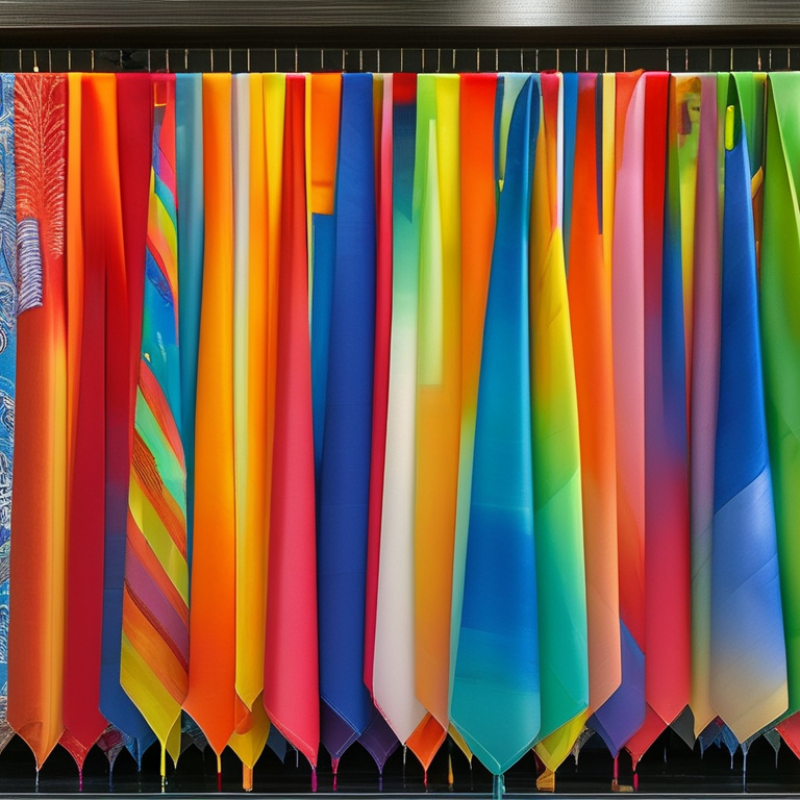
Understanding Wind Flags and Their Common Applications
Wind flags are lightweight fabric signs designed to move in outdoor air. Their curved shape keeps the message visible while the flag pivots around a flexible pole. They commonly appear beside shops, property viewings, sports events, exhibitions, roadside promotions, and temporary festivals. MarketsandMarkets valued the global outdoor advertising market at about USD 39 billion in 2023, showing why portable display tools remain commercially relevant. Visibility matters, but readability matters more.
When comparing Chinese suppliers, inspect the fabric, stitching, pole joints, base, and printing method. Polyester around 110–130 gsm is often practical for repeated outdoor use, although heavier fabric is not automatically better. Smithers’ textile printing research highlights continuing growth in digitally printed textiles, supported by shorter production runs and customized graphics. Ask for UV-resistance details and color samples. Test the flag near a real storefront, not only in a studio.
Wind rating claims need careful questioning. Ground conditions, gusts, rain, and base weight can change performance quickly. A water base may suit pavement, while a spike base fits soil. No flag performs perfectly. I once treated a neat sample as proof of durability; it was not. Supplier reliability also depends on packing quality, replacement parts, inspection records, and communication after delivery. These details are easy to overlook, yet they often decide whether a top-ten shortlist is useful.
Top 10 Wind Flag Suppliers in China
China’s top 10 wind flag suppliers are best judged by production evidence, not attractive catalog images. A reliable shortlist should include factories making beach flags, teardrop flags, feather flags, and rotating outdoor banners. Look for suppliers with cutting, sewing, dye-sublimation printing, and aluminum or fiberglass pole production in-house. This reduces delays between sampling and bulk orders.
Experienced buyers should compare fabric weight, color stability, pole flexibility, base strength, and packing quality. Outdoor polyester around 110–120 gsm often balances visibility and transport cost. Ask for washing, UV exposure, and wind-resistance test records. Also inspect stitching around the sleeve and lower seam. These areas usually fail first. The strongest suppliers provide pre-production samples, measurement sheets, material certificates, and clear replacement policies. However, no ranking is perfect. A factory may deliver excellent flags but struggle with urgent custom orders. Another may offer low prices while using thinner poles. That trade-off deserves attention.
Tips: Request one physical sample before approving production. Test it outdoors for several days. Check fading, pole movement, base stability, and water drainage. Confirm carton dimensions and spare-part availability. A small mistake here can increase shipping costs later. Supplier audits, factory videos, and recent customer references improve reliability, but they are not complete proof. Recheck critical details in writing.
Comparing Products, Materials, Customization, and Production Capacity
China’s top 10 wind flag suppliers differ sharply in fabric, printing, and production control. The strongest candidates usually offer knitted polyester, woven polyester, or recycled polyester. Textile Exchange’s Materials Market Report 2024 states that polyester represented about 57% of global fiber production in 2023. That figure explains its popularity: polyester dries quickly, holds color well, and remains light in outdoor wind.
Material choice still needs testing.
A practical comparison should examine fabric weight, mesh structure, UV resistance, stitching, and pole compatibility. Digital sublimation printing gives sharper gradients, while screen printing can suit simpler, larger quantities. Fortune Business Insights valued the global digital textile printing market at approximately 3.94 billion US dollars in 2023, with strong projected growth through 2032. This supports suppliers investing in calibrated printers and automated color control. However, color claims require evidence. Ask for wash tests, lightfastness results, and production samples before ordering.
Customization separates capable factories from trading intermediaries. Check whether suppliers can adjust flag dimensions, sleeve openings, reinforced corners, packaging, and carton labels. Production capacity should be measured through monthly output, not attractive factory photographs. Request lead-time records, inspection procedures, and defect rates. A supplier producing 50,000 flags monthly may still struggle with a 10,000-piece rush order. I would also question unusually low prices; cheaper fabric can create curling edges and dull graphics. These details are easy to overlook. Personally, I would score each shortlisted supplier against material consistency, sample accuracy, customization depth, and documented capacity, then repeat the test with a second production batch.
What Are the Top 10 Wind Flag Suppliers in China?
A non-company-specific comparison of common product, material, customization, and production-capacity benchmarks used when evaluating Chinese wind flag suppliers.
The figures represent typical commercial market-reference ranges rather than claims made by any named supplier. Actual specifications may vary by fabric, order quantity, printing method, and finishing requirements.
How to Select the Right Wind Flag Supplier for Your Needs
Choosing among China’s top ten wind flag suppliers requires more than comparing catalog photos. I have learned that a bright sample can hide weak stitching or a flexible pole. Ask for a sewn sample, not only a digital proof. Check fabric weight, edge finishing, pole diameter, base options, and outdoor color performance. A reliable supplier should explain these details clearly. If answers remain vague, treat that as a warning.
Request recent production photos and a small trial order. Inspect the flag after washing, folding, and several hours in moving air. Look for puckering, loose threads, fading, and a sleeve that twists around the pole. Ask how quality checks are recorded before shipment. Useful evidence includes material specifications, test reports, packaging photos, and written inspection criteria. Some suppliers promise fast delivery, yet overlook replacement timing. Confirm sample approval, production days, shipping method, and responsibility for damaged goods in writing.
Price still matters, but the lowest quote may become expensive after rework. Compare the full cost, including poles, bases, printing, packing, and spare parts. Evaluate communication speed and technical advice, not just sales language. A practical supplier will suggest changes for strong wind, narrow entrances, or uneven ground. I would score each candidate against the same checklist. My early comparisons focused too much on color accuracy. That was a mistake. Field use exposed the real weaknesses. Choose the supplier whose process remains clear when something goes wrong.
