
Top Interior Wall Cladding Options for Global Buyers?

Interior Wall Cladding plays a vital role in enhancing the aesthetics and functionality of interiors. Various materials can be used, each bringing unique attributes. From natural wood panels to modern metal sheets, options abound for buyers worldwide. Such diversity can be both exciting and overwhelming.

Today's market offers numerous choices, but selecting the right cladding requires careful consideration. Factors like durability, maintenance, and thermal insulation are essential. Buyers often struggle to find the perfect combination of style and performance. Some may overlook the long-term savings associated with high-quality materials.

Navigating the world of Interior Wall Cladding requires a blend of creativity and practicality. It’s important to reflect on individual needs, as well as environmental impact. Quality and reliability should guide decisions, ensuring that the final choice truly enhances the living space.
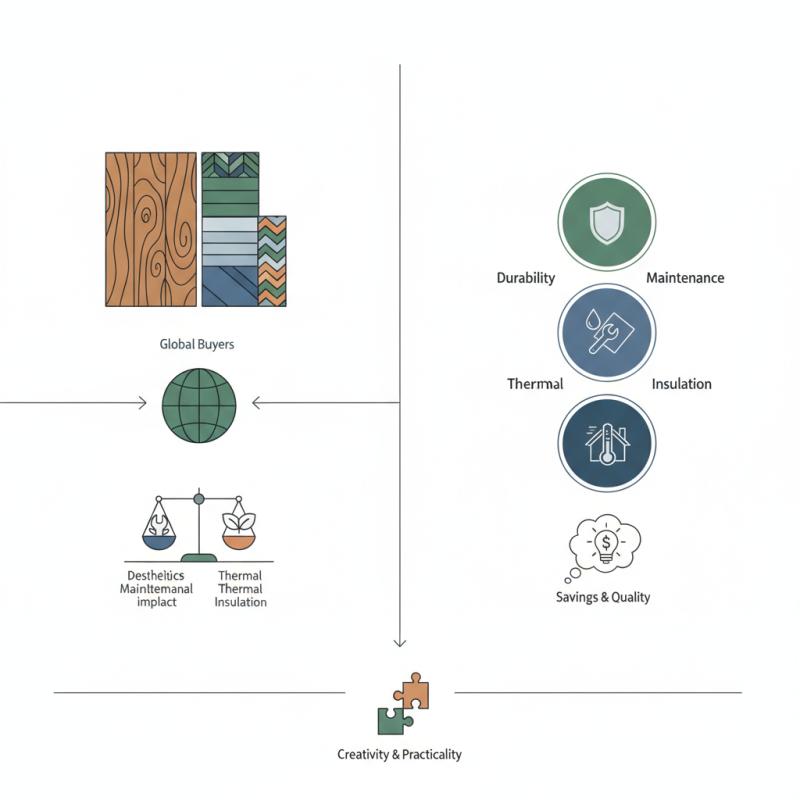
Top Interior Wall Cladding Options for Global Buyers?

Top Interior Wall Cladding Materials for Modern Homes

When considering interior wall cladding for modern homes, various materials stand out for their aesthetic appeal and functionality. Wood cladding remains a popular choice due to its warmth and versatility. It can be customized in different finishes and stains. This allows homeowners to create unique designs. However, wood requires maintenance to prevent warping and decay over time.

Another popular option is drywall, which is known for its affordability and ease of installation. It provides a smooth surface ideal for painting and decorating. Yet, it might not offer the character that some homeowners desire. An imperfect drywall installation can lead to visible seams, which can detract from a polished look.

Stone and brick cladding offer a natural feel, bringing outdoor elements inside. They create a textured, modern look that many buyers love. However, these materials can be pricier and require skilled labor for proper installation. This might not be feasible for all budgets. Balancing aesthetic appeal and practicality ultimately guides the choice of wall cladding in modern interiors. Consider how materials will withstand time and daily use. Doing so can avoid costly regrets in the future.

Comparative Analysis of Natural and Synthetic Cladding Options

When considering wall cladding options, buyers face a choice between natural and synthetic materials. Natural cladding, such as wood or stone, offers unique aesthetic appeal. Each piece tells a story through its texture and color. Many prefer this organic feel, but there are challenges. Natural materials can be costly and sometimes require extensive maintenance. They are also susceptible to weathering and pests.

On the other hand, synthetic cladding provides practical advantages. Products made from engineered materials are often more affordable and durable. They can mimic the look of natural materials without the downsides. However, they may lack the character that comes from nature. Concerns about sustainability and environmental impact often arise. Many buyers wonder how these materials are produced and their long-term effects on the planet.

Ultimately, the decision hinges on personal preference and specific project requirements. Buyers should weigh the beauty of natural options against the practicality of synthetic choices. Each option has its merits and shortcomings that must be carefully considered. Balancing aesthetics and functionality is key in the selection process.

Key Factors to Consider When Choosing Wall Cladding

When choosing wall cladding, several key factors shape the decision-making process. First, the material selection plays a crucial role. Options range from wood, metal, to composite materials. Each type offers unique aesthetics and durability. For instance, wood provides a warm, natural appearance but requires maintenance. In contrast, metal offers longevity and minimal upkeep, appealing to modern tastes.

Another important consideration is the insulation properties of the chosen cladding. According to a 2022 study by the Global Building Council, homes with insulated cladding systems can reduce energy costs by up to 30%. This highlights the need for buyers to assess thermal performance not just for comfort, but also for long-term savings. Furthermore, buyers must evaluate local climate conditions. In extreme weather areas, durable cladding is essential. Investing in robust materials may involve higher upfront costs, but the long-term benefits often outweigh these.

Budget constraints should not be overlooked. While cheaper options may seem attractive, they might lead to higher maintenance costs over time. A report from the Institute of Building Economics indicates that choosing quality wall cladding enhances property value. Buyers need a balanced approach, weighing affordability against quality and longevity. Making informed choices fosters both aesthetic appeal and practical benefits in wall cladding selection.

Top Interior Wall Cladding Options for Global Buyers

Popular Trends in Interior Wall Cladding Designs

Interior wall cladding has evolved significantly, with new designs and materials gaining traction among global buyers. According to a recent market report, the interior wall panel market is projected to reach $40 billion by 2025, driven by consumer demand for aesthetic improvements and increased durability. Wood, stone, and metal remain popular choices, each offering unique benefits to both residential and commercial spaces.

Wood cladding provides warmth and a natural aesthetic, while stone options add an element of luxury. Metal panels have surged in popularity due to their modern look and durability. Industry experts note a growing trend towards sustainable materials, with eco-friendly options gaining attention. Around 30% of buyers now prioritize sustainability when selecting cladding materials.

However, the challenge lies in balancing style with practicality. For instance, while wood may offer charm, it requires regular maintenance to prevent warping. Some designs may demand a high level of installation expertise, which can lead to additional costs. Hence, buyers must reflect on their long-term needs and maintenance capabilities when choosing their interior wall cladding.

Sustainable and Eco-Friendly Cladding Alternatives for Buyers

In recent years, sustainable and eco-friendly interior wall cladding options have gained significant traction among global buyers. According to a report by the World Green Building Council, over 60% of consumers prefer sustainable materials. This trend reflects a growing awareness of environmental issues and the importance of making responsible choices in construction and design.

Wood, bamboo, and recycled metal are popular, eco-friendly choices. Bamboo, for example, grows quickly and has a lower carbon footprint. Using reclaimed wood reduces deforestation and adds character to spaces. However, buyers should consider the source of these materials. Not all wood is harvested sustainably. Ensure your supplier offers certifications for eco-friendly products.

Tips: Always look for genuine certifications when choosing materials. This guarantees compliance with sustainability standards. Moreover, seek out local suppliers to reduce the carbon footprint associated with transportation. Engaging with local craftsmen can also yield unique design elements, enhancing aesthetic value in your interiors. Remember, eco-friendly choices have a lasting impact on the environment and your community.

dLED: retail LED lighting
Privacy Overview

This website uses cookies so that we can provide you with the best user experience possible. Cookie information is stored in your browser and performs functions such as recognising you when you return to our website and helping our team to understand which sections of the website you find most interesting and useful.