
Top 10 Reasons to Choose a 125 Amp Breaker for Your Project?

Choosing the right electrical components for your project is crucial. One important consideration is the type of circuit breaker. The 125 Amp Breaker stands out among various options. It strikes a balance between capacity and safety. For many residential and light commercial applications, this breaker is reliable.

A 125 Amp Breaker is designed to handle substantial loads. This means it can support multiple appliances and systems effectively. It provides peace of mind, reducing the risk of overloads or failures. Installation is generally straightforward, but attention to detail is important. Ensure proper sizing of wiring and connections.

However, it’s essential to consider other factors too. Every project has unique demands. Evaluating the specific needs of your electrical system is vital. A 125 Amp Breaker may not be the solution for every situation. Reflect on your project's requirements carefully. The choice of breaker can influence functionality and safety.
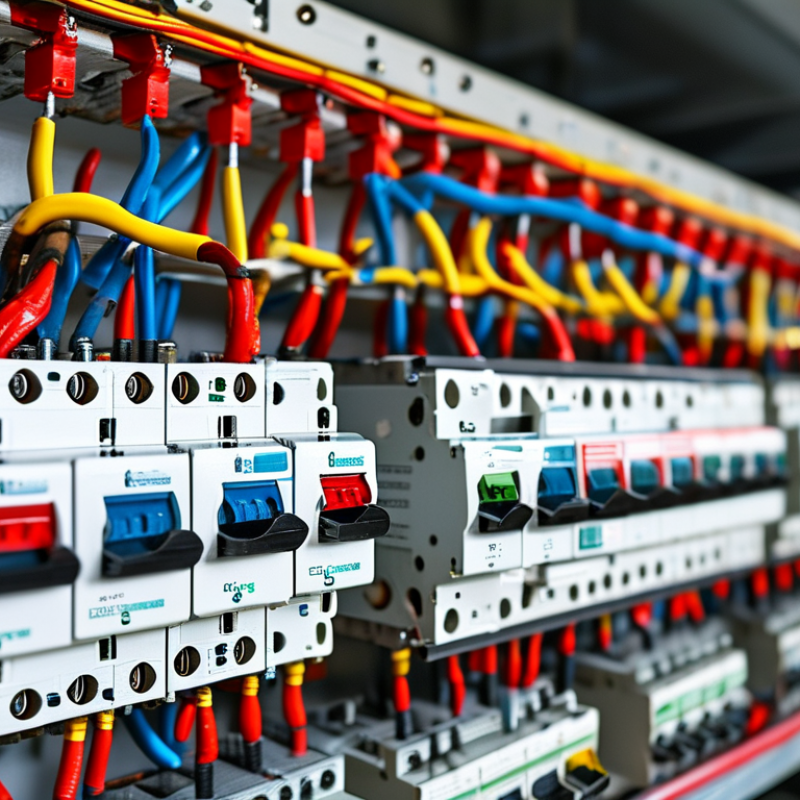
Top 10 Reasons to Choose a 125 Amp Breaker for Your Project?

Advantages of Using a 125 Amp Breaker in Residential Projects

In residential projects, selecting the right electrical breaker is pivotal for safety and efficiency. A 125 Amp breaker stands out for its ample capacity to handle various loads. According to the National Electrical Code, a breaker should be rated to match the expected load. Many homes benefit from the versatility that comes with a 125 Amp rating. It easily accommodates appliances like refrigerators, air conditioners, and even home theaters without risking overload.

A 125 Amp breaker offers several advantages. It helps reduce the risk of tripping during peak usage, ensuring your devices stay operational. This capacity also allows for future expansion. Homeowners often wish to add more appliances or circuits, and a 125 Amp breaker provides that flexibility. Reports indicate that homes with appropriately sized breakers experience fewer electrical issues. Notably, fire hazards diminish when the correct amperage is used.

When choosing a breaker, consider the specific needs of your project. Ensure your electrical load calculations are accurate. Remember that an overestimated load can lead to safety risks and unnecessary costs. It's wise to consult a qualified electrician for guidance tailored to your situation. Aim for a balance between current needs and future potential. This foresight can save you from costly upgrades later.

Understanding the Compatibility of 125 Amp Breakers with Home Wiring Systems

When selecting electrical components, understanding compatibility is crucial. A 125 Amp breaker is often chosen due to its effectiveness in managing home wiring systems. According to the National Fire Protection Association, improper breaker sizes can lead to electrical hazards. Homes require adequate breaker ratings to support their specific wiring needs. A 125 Amp breaker is compatible with homes that have wiring rated for 100 or 125 Amps. This ensures safety and efficiency, mitigating the risk of overload.

Notably, experts indicate that a 125 Amp breaker can accommodate various devices and appliances. Many homes use wiring either 3 AWG or 4 AWG, which is suitable for a 125 Amp circuit. However, not all homes are alike. Older homes may have outdated wiring that does not support modern electrical demands. This discrepancy may require an evaluation from a licensed electrician to maintain reliability and efficiency in electrical systems.

Choosing the right breaker goes beyond compatibility. It involves understanding your home’s unique electrical layout. Homeowners must also consider potential future upgrades. Would more powerful appliances be added later? Reflecting on these aspects can significantly influence the decision-making process. Electrical safety cannot be compromised; therefore, proper insight into these systems is invaluable.

Top 10 Reasons to Choose a 125 Amp Breaker for Your Project

Reason Explanation Compatibility
Increased Capacity Suitable for larger homes and more appliances. Compatible with 125 Amp wiring systems.
Breaker Size Standard A common industry standard ensuring availability. Fits standard electrical panel designs.
Improved Safety Reduces risks of overload and fire hazards. Works well with 125 Amp rated wiring.
Enhanced Performance Maintains optimal electrical performance. Compatible with high-demand setups.
Flexibility Accommodates diverse electrical needs. Works with various circuits and appliances.
Cost-Effectiveness Affordable option for most homeowners. Widely available in the market.
Easiness of Upgrade Simple to upgrade from lower amperage breakers. Suitable for existing 125 Amp wiring systems.
Reliability Proven track record in performance. Compatible with a variety of electrical setups.
Ease of Installation User-friendly installation with minimal tools. Fits standard electrical panels without modifications.
Environmental Awareness Supports energy-efficient home systems. Works in compliance with green building standards.

Analyzing Load Capacity: Why 125 Amps is Ideal for Most Homes

Choosing a 125 amp breaker for your home project is often a smart decision. Many homes use electrical systems that can comfortably operate within this load capacity. A 125 amp breaker provides sufficient power for most household appliances. It supports multiple circuits, making it ideal for family living. When planning your electrical setup, consider how much power your home requires.

Evaluating your household’s energy consumption is crucial. Most modern appliances, such as refrigerators, air conditioners, and home theaters, require significant energy. A 125 amp breaker can handle this demand without frequent trips. It minimizes the risk of overload while ensuring smooth operation.

When installing your breaker, think about future expansion. Your family may grow, or you might add new appliances. A 125 amp system gives you the flexibility to increase your load without immediate upgrades. Be mindful of existing wiring. Older homes may have outdated systems that don’t support high loads well. Upgrading can be a hassle but ultimately a worthwhile investment for safety and efficiency.

Safety Standards and Regulations for 125 Amp Circuit Breakers

When selecting a 125 Amp Circuit Breaker, understanding safety standards and regulations is critical. According to the National Electrical Code (NEC), all circuit breakers must meet strict performance criteria to ensure safety. For instance, breakers should be able to interrupt a fault current effectively without posing risks. Ensuring compliance with these standards protects both property and individuals from electrical hazards.

Research indicates that poorly installed or inadequate breakers account for a significant percentage of electrical fires. A report by the U.S. Fire Administration states that around 20% of electrical fires result from overloads due to inappropriate circuit protections. A 125 Amp breaker can handle higher electrical loads, reducing the risk of overheating and fire. Regular inspections and adherence to local codes are essential for maintaining a safe environment.

Moreover, using the right circuit breaker improves system reliability. Studies show that many electrical systems fail due to improper fault detection and response. A 125 Amp breaker is designed with advanced technology to detect faults swiftly. This reliability is crucial for maintaining continuous service in residential or commercial settings. The choice of a circuit breaker should not only be based on amperage but also on its ability to sustain safety standards.

Cost-Effectiveness of 125 Amp Breakers in Long-Term Electrical Solutions

Choosing a 125 Amp breaker for your project can be a cost-effective decision in the long run. These breakers offer reliable performance and efficient power distribution. Their capability to handle significant electrical loads makes them ideal for various residential and commercial applications. Over time, a 125 Amp breaker can potentially reduce maintenance costs. You will spend less on repairs if you select a breaker that meets your project's demands right from the start.

In terms of installation, 125 Amp breakers are generally straightforward to install. They fit easily into standard electrical panels. However, ensure that your panel can accommodate this type of breaker. While the initial investment might seem higher than lower-rated breakers, the long-term savings justify this choice. You won’t frequently replace your system due to overload, enhancing reliability.

Some may wonder if a smaller breaker could suffice. Yet, underestimating your power needs can lead to bigger problems. Investing in a 125 Amp breaker means fewer interruptions in your power supply. It encourages peace of mind. You might reflect on whether the upfront cost is manageable. Ultimately, the long-term benefits considerably outweigh these initial concerns.

dLED: retail LED lighting
Privacy Overview

This website uses cookies so that we can provide you with the best user experience possible. Cookie information is stored in your browser and performs functions such as recognising you when you return to our website and helping our team to understand which sections of the website you find most interesting and useful.