Why Choose a Smart Lighting Solution for Your Business?

Why Choose a Smart Lighting Solution for Your Business?

A Smart Lighting Solution can transform ordinary workspaces into more responsive, efficient environments. Imagine entering a store where lights brighten near customers and soften in empty aisles. In an office, daylight sensors can reduce unnecessary brightness beside large windows. Small changes matter.

Dr. Mariana Figueiro, a respected lighting researcher, has said, “Light is the most powerful cue for the circadian system.” Her work highlights an important business consideration: lighting affects more than electricity use. It can influence alertness, comfort, sleep patterns, and employee experience. A carefully designed system may also reduce energy consumption through occupancy sensors, scheduling, and automated dimming.

The results are measurable. Energy dashboards can reveal consumption by room, floor, or operating period. Facility teams can adjust settings without walking through every space. That saves time.

But smart lighting is not automatically smart. Poor sensor placement can create dark corners or irritating light changes. Expensive hardware may deliver little value if staff cannot manage it. This is where professional planning, commissioning, and regular review become essential.

A reliable Smart Lighting Solution should match the building, its users, and its daily rhythm. Retail, hospitality, warehouses, and offices require different control strategies. Good design begins with observation, not assumptions. The strongest investment may be less dramatic than expected. It may simply make every room feel easier to use, while quietly lowering operating costs.
Why Choose a Smart Lighting Solution for Your Business?

What Is a Smart Lighting Solution?

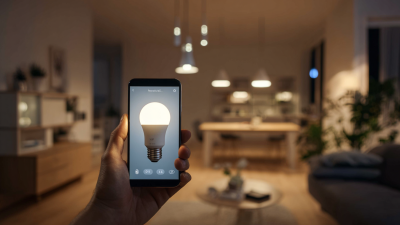
A smart lighting solution combines connected fixtures, sensors, controls, and software. It adjusts lighting according to occupancy, daylight, schedules, or room usage. Unlike a basic timer, it can respond to changing conditions. For example, lights can brighten near a loading area at 6 a.m. and dim when sunlight reaches the windows. Facility teams can monitor energy use and identify unusual operating patterns. Remote control also helps managers check rooms without walking through the entire building.

The system can improve comfort in offices, shops, warehouses, and hospitality spaces. Motion sensors may switch lights off in an empty meeting room. Daylight sensors can reduce glare beside large windows. In practice, correct sensor placement matters greatly. A sensor facing a busy doorway may keep lights active unnecessarily. Poor settings can frustrate employees, too. Smart does not always mean perfect. Testing real traffic patterns is essential before expanding the system.

Tips: Begin with one zone, such as a reception area or storage aisle. Record current energy use for comparison. Set lighting levels around actual tasks, not assumptions. Keep manual controls available for unusual situations. Review the data after two weeks. Some results may disappoint. That is useful information, not failure. A small adjustment to timing, sensitivity, or brightness can make the system more reliable.

How Smart Lighting Systems Work

Why Choose a Smart Lighting Solution for Your Business?

Smart lighting systems connect fixtures, sensors, controllers, and software into one responsive network. Each fixture receives digital commands through wired or wireless communication. Motion sensors detect occupancy near entrances, aisles, and workstations. Daylight sensors measure nearby brightness through changing conditions. The controller then adjusts light levels according to programmed rules. It sounds simple.

In a practical site audit, technicians may find lights operating at full power in empty rooms. A smart system can reduce output after several quiet minutes. It can restore brighter lighting when movement returns. Daylight harvesting also dims fixtures beside windows while maintaining a suitable working level. Schedules can support opening hours, cleaning periods, and evening security checks. Usage data helps managers identify waste and unusual equipment behavior.

Automation is not always correct. A sensor may mistake stacked boxes for activity. Strong sunlight can also affect readings. Reliable installations need careful sensor placement, commissioning, testing, and manual controls. Staff should understand how to override settings when operations change. Access permissions and secure network design protect control data. Regular reviews matter because furniture, work patterns, and regulations can change. The best system is not the most complicated one. It is the one that responds consistently, uses measurable settings, and leaves people in control.

Key Benefits for Business Operations

Smart lighting can improve daily business operations by linking illumination to actual workplace activity. In a warehouse, motion sensors can brighten aisles only when workers enter them. Offices can follow scheduled hours, reducing energy use after teams leave. This control also limits unnecessary maintenance because operating hours become easier to track.

Better lighting supports safety and productivity. Consistent brightness can help employees read labels, inspect equipment, and move through shared spaces with fewer visual distractions. Managers can adjust lighting zones remotely when layouts change or working hours shift. Fault alerts may identify a failed fixture before it affects an entire area. Small changes matter.

The operational value becomes clearer when businesses review real usage data each month. Energy reports can reveal rooms that stay lit overnight or zones that need better scheduling. However, sensor readings are not always perfect. Glass walls, heat sources, and irregular movement can trigger unwanted changes. A small pilot should test comfort, response times, and staff acceptance before wider installation. Cost savings may also take longer than expected when buildings need rewiring or staff training. Careful measurement keeps the solution practical, rather than treating automation as a shortcut.

Why Choose a Smart Lighting Solution for Your Business? – Key Benefits for Business Operations

Business Operations Dimension Relevant Data or Benchmark How Smart Lighting Helps Potential Business Impact
Energy consumption Lighting controls can typically reduce lighting energy use by approximately 20%–60%, depending on occupancy, daylight availability, operating hours, and system design. Occupancy sensors, scheduling, daylight harvesting, and automated dimming adjust light output to actual requirements. Lower electricity consumption and reduced operating expenditure.
Lighting service life Commercial LED luminaires commonly provide rated lifetimes of approximately 25,000–50,000 operating hours. Centralized monitoring and gradual dimming can help maintain consistent output and identify underperforming fixtures. Fewer lamp replacements, lower maintenance workload, and less disruption to daily operations.
Maintenance planning At 4,000 operating hours per year, a 50,000-hour rated LED system represents approximately 12.5 years of rated operating life. Remote status alerts and usage data support condition-based maintenance instead of relying only on manual inspections. Better scheduling of labor, equipment, and replacement materials.
Occupancy-based control Occupied and unoccupied areas often have different lighting requirements during the same business day. Sensors can switch, dim, or maintain lighting according to real-time occupancy levels. Reduced unnecessary runtime in meeting rooms, storage areas, corridors, restrooms, and other intermittently used spaces.
Daylight utilization Natural light levels vary throughout the day and across different areas of a building. Daylight sensors can reduce electric-light output when sufficient natural light is available. More consistent illumination with less dependence on full-power artificial lighting.
Operational visibility A connected system can record schedules, runtime, alerts, and energy-related operating data. Facility teams can review lighting conditions through a centralized dashboard or building-management interface. Faster troubleshooting and improved data-based facility decisions.
Workplace comfort Illumination needs differ by task, workspace layout, age group, and visual activity. Zone-level dimming, scene settings, and adjustable color characteristics allow lighting to match different work areas. Improved adaptability for offices, retail areas, warehouses, hospitality spaces, and shared facilities.
Safety and security Lighting requirements may change during opening hours, cleaning periods, emergency events, and after-hours access. Automated schedules, override controls, fault notifications, and emergency-lighting integration can support site procedures. More reliable lighting management and improved response to abnormal conditions.
Scalability Lighting zones can be organized by floor, department, room type, operating schedule, or usage pattern. Software-based configuration allows settings to be changed without manually adjusting every fixture. Easier adaptation to renovations, changing occupancy, new departments, and expanded facilities.
Illustrative savings calculation Example assumption: a facility uses 100,000 kWh per year for lighting and achieves a 30% reduction through controls. Calculation: 100,000 kWh × 30% = 30,000 kWh saved per year. Actual savings depend on electricity rates, schedules, existing equipment, sensor coverage, daylight conditions, and user behavior.

Note: Energy-saving ranges and service-life figures are industry benchmarks. Actual performance should be verified through a site assessment, operating-hour analysis, and post-installation measurement.

Business Applications Across Different Industries

Smart lighting solutions are becoming practical tools across many business sectors. They combine occupancy sensors, daylight detection, scheduling, and centralized controls. This allows lighting to respond to real activity instead of fixed routines.

In offices, lights can dim near windows and brighten in meeting rooms only when occupied. Retail stores can create focused displays while reducing lighting in unused storage areas. Warehouses benefit from motion-based lighting, especially in aisles that stay empty for long periods. The result is measurable. Lower energy use can also reduce unnecessary maintenance visits.

Hotels and restaurants can use warmer scenes during dining hours and brighter settings during cleaning. In healthcare facilities, carefully adjusted lighting may support safer corridors and more comfortable patient areas. Schools can manage classrooms, libraries, and sports halls through separate schedules. However, one setting rarely suits every space. Poor sensor placement can cause delayed activation, uneven brightness, or frequent adjustments that frustrate staff. This is an easy detail to underestimate.

A reliable project begins with an on-site assessment. Professionals should review room layouts, operating hours, natural light, user habits, and local electrical requirements. Pilot testing one floor or department is often wiser than changing an entire building at once. Clear access controls and simple staff training also matter. Smart lighting is useful, but it is not automatically intelligent. Its value depends on accurate data, thoughtful commissioning, and regular review.

Factors to Consider Before Choosing a Smart Lighting System

Why Choose a Smart Lighting Solution for Your Business?

Before choosing a smart lighting system, examine how your building is actually used. A warehouse, clinic, and office need different lighting responses. Walk through the space at different times. Note dark corners, glare near screens, and lights left on after closing. These observations are more useful than attractive product promises. Consider occupancy sensors, daylight control, dimming range, and manual override options. Staff should not struggle to turn on a light.

Compatibility also deserves careful attention. Check whether the system works with existing wiring, emergency lighting, building controls, and network security policies. Ask qualified electrical professionals to review installation requirements and safety compliance. A reliable provider should explain maintenance, software updates, data handling, and expected service life in clear language. Request realistic energy estimates based on your operating hours, not ideal laboratory conditions. Savings may be smaller than expected.

Pilot the system in one area before changing the entire property. A conference room can reveal sensor delays, while a loading zone may expose weak coverage. Keep feedback from employees. Their experience matters. Brightness settings that look efficient on paper may cause eye strain or reduce comfort. Automation is not always intelligent. Review performance after several weeks, including energy use, complaints, repair time, and control reliability. Be willing to adjust the plan, because the first design may contain assumptions nobody noticed.

dLED: retail LED lighting
Privacy Overview

This website uses cookies so that we can provide you with the best user experience possible. Cookie information is stored in your browser and performs functions such as recognising you when you return to our website and helping our team to understand which sections of the website you find most interesting and useful.